


„We've ordered for the second time and are still delighted! The quality is perfect […]“

Acoustics meets design
Every room deserves great sound.
Less echo, clearer voices, calmer work — from a single absorber to complete room planning, with advice from acoustics experts.
For businesses & institutions →- Made in the EU
- Advice from acousticians
- Klarna, PayPal or card
Why FENNEXT
Good room acoustics can be planned.
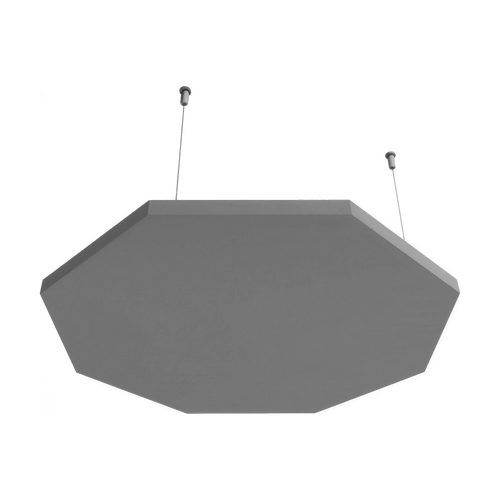
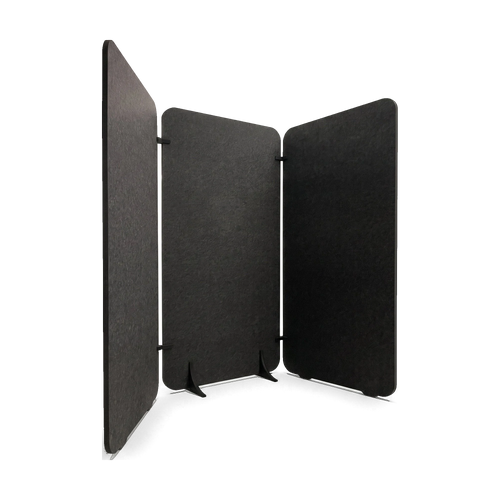
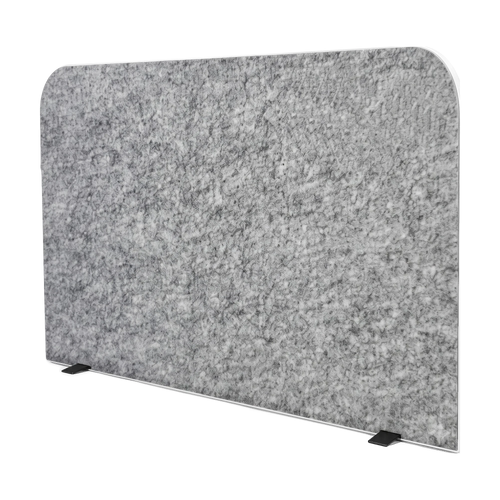
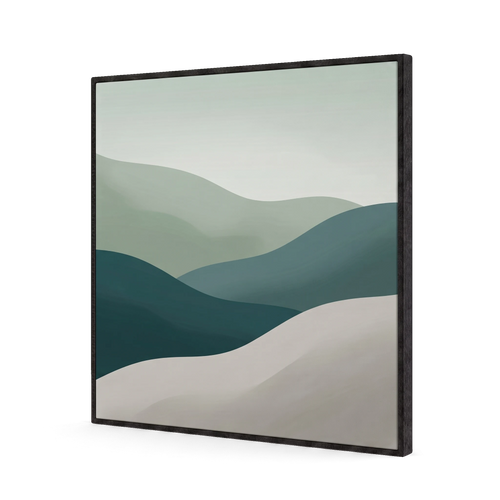
Calm, clear rooms don't happen by chance. With the right absorbers in the right places, every room sounds noticeably better — from a single panel to complete planning, direct from the manufacturer. Covering just 10–30 % of the surface makes a noticeable difference.
How room acoustics work
Real experiences
How FENNEXT sounds in everyday use
Customer reviews and measured, documented projects from offices and education.
„The absorbers do exactly what they should and look great too.“


Proven in use
Popular solutions
The products our customers choose most often — available immediately and tried and tested in schools, daycare centres and offices.

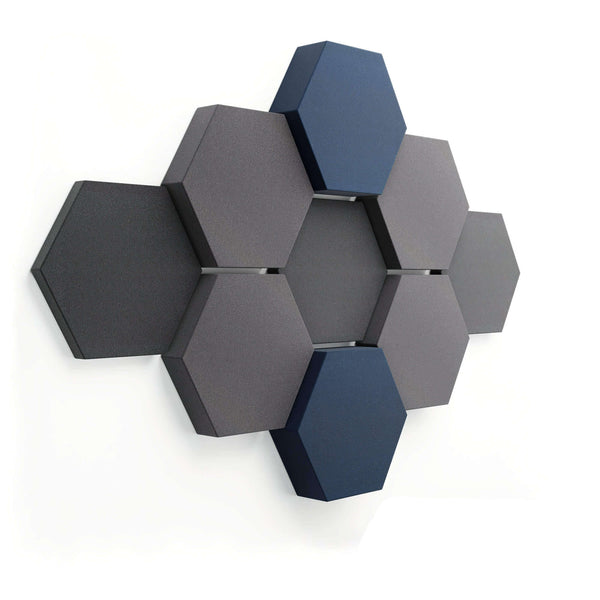
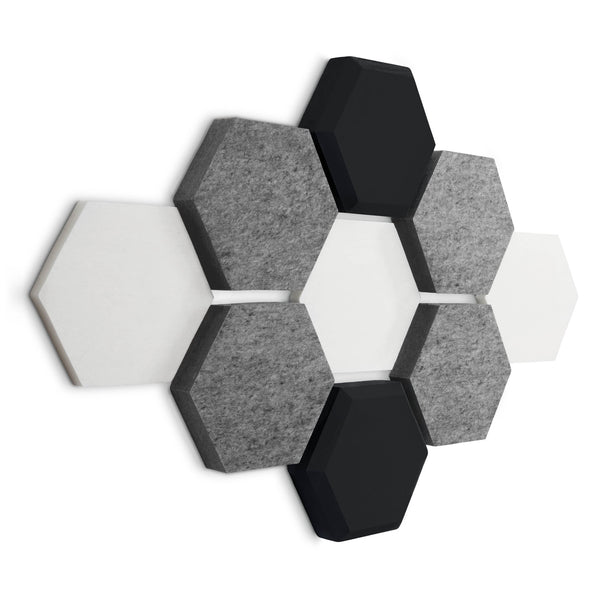
Acoustics for every room
Choose your application and find suitable solutions, products and advice.

Office
Less reverberation in offices and meeting rooms.

Open-plan office
Absorption and zoning for open-plan offices.

Daycare & kindergarten
Less reverberation in the group room.

Schools & education
Better speech intelligibility in class.

Home office
Less echo during calls and focused work.

Home & DIY
Plan and improve your room acoustics yourself.

Gaming room
Less echo in voice chat and streams.

Fire safety
Requirements and suitable versions explained clearly.
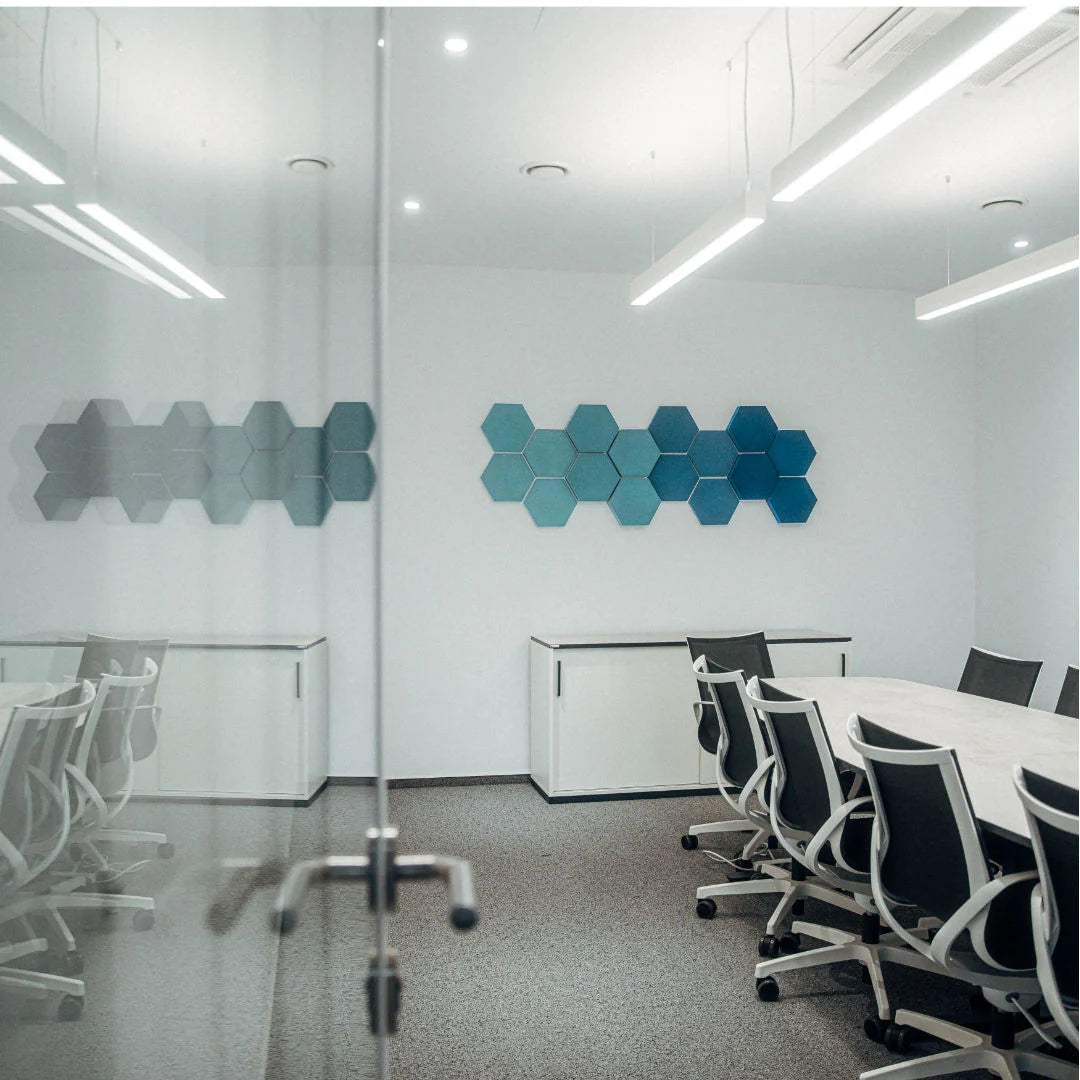
For business customers
Acoustic solutions for businesses & institutions
Whether office, practice, educational institution or public building: we support you with needs assessment, planning and product selection — with volume pricing, available project documentation and payment by invoice: directly in the shop with a business account, or via a personal quote.
Room acoustics – frequently asked questions
Briefly explained, with concrete guide values.
What is room acoustics?
Room acoustics describes how sound spreads in a room and how long it reverberates. Hard surfaces such as concrete and glass reflect sound and make rooms echoey; sound absorbers shorten the reverberation time. Guide values are set out in the German standard DIN 18041.
What is the optimal reverberation time?
It depends on the room volume and how the room is used. DIN 18041 describes different target ranges for this. The Acoustic Check gives you a first orientation; formal proof requires an individual calculation or measurement.
How many absorbers does my room need?
As a rough guide, about 10 to 30 per cent of the free wall and ceiling area should be covered with absorbers. The Acoustic Check calculates the exact requirement for your room in two minutes.
Where is the best place for sound absorbers?
On the large, hard surfaces and at the first reflection points — where sound is reflected from the main source to the listener's ear. A fully covered wall plus some ceiling area has the biggest effect.
What does the absorption class (αw) mean?
The weighted sound absorption coefficient αw according to ISO 11654 indicates the proportion of sound that is absorbed. Class A (αw 0.90–1.00) is highly absorbent, class E (0.15–0.25) only slightly. At FENNEXT, the value for each product is listed in the technical data.
Do acoustic panels help in a home office too?
Yes. Even a few absorbers on the wall or ceiling noticeably reduce echo and noise levels — for clearer video calls and more focused work, without any building work.
Knowledge in brief
Good room acoustics – simply explained
Hard surfaces such as concrete, glass and large windows reflect sound. Well-placed wall and ceiling absorbers shorten the reverberation and improve speech intelligibility.
How much absorber area makes sense depends on the room size and use. The Acoustic Check gives you a first orientation; for larger projects we support you with personal planning. You'll find the basics and practical tips in our knowledge guide.